As climate change and environmental concerns take center stage, the idea of greener homes is no longer optional—it is essential. Sustainable living practices are influencing how homes are built, renovated, and maintained. From energy-efficient materials to renewable energy sources, greener homes are designed to reduce environmental impact while improving quality of life. For modern homeowners, the movement toward eco-friendly housing represents a significant step in creating a better future for generations to come.
The Aesthetics Of Sustainable Living
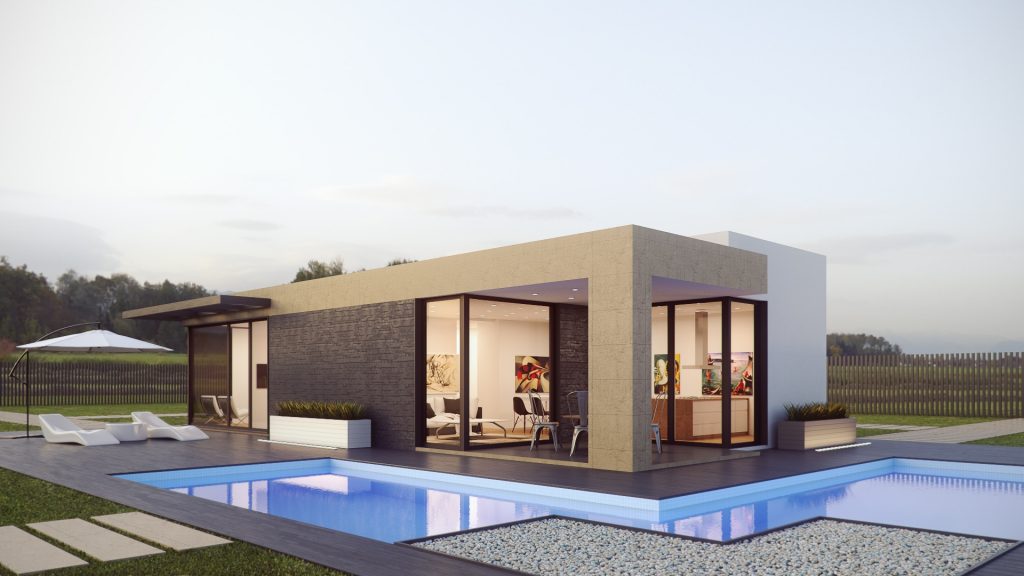
Building greener homes does not mean sacrificing beauty or comfort. Modern architecture blends eco-friendly materials with innovative design to create homes that are both stylish and sustainable. Features like large windows for natural light, reclaimed wood for interiors, and green rooftops are not only environmentally responsible but also visually appealing.
It’s much like a girls hidden face pic shared online—minimalist yet expressive. Sustainable homes embody the same understated elegance, proving that simplicity and thoughtful design can communicate a powerful message about values and lifestyle.
Supporting Green Businesses
The shift toward greener homes has also encouraged the growth of businesses specializing in eco-friendly solutions, from solar panel providers to sustainable furniture makers. These companies make it easier for homeowners to adopt sustainable practices without compromising convenience.
To discover such businesses, resources like an Australia business listing site are invaluable. Just as directories help connect people with trusted services, they also highlight the growing demand for sustainable solutions. This visibility not only benefits businesses but also empowers consumers to make responsible choices for their homes.
Emotional Connections To Greener Living
Building greener homes is not just about construction—it’s also about cultivating emotional well-being. Living in spaces that reduce waste and support clean energy brings peace of mind, knowing that everyday actions contribute to a healthier planet.
This connection can be compared to the reflections shared on https://mysadshayari.com. Just as poetry captures unspoken emotions and personal truths, greener living reflects the deeper human desire to care for the earth. The choice to live sustainably is as much about emotional fulfillment as it is about practical benefits.
Green Homes And Real Estate Value
Sustainability is becoming a priority for buyers and renters, making eco-friendly homes more attractive in the real estate market. Features like energy-efficient insulation, rainwater harvesting, and smart home technology increase property value while appealing to environmentally conscious buyers.
For those exploring options, a rental property listing Australia often highlights homes with eco-friendly features, reflecting a growing demand for sustainability. These listings show how greener choices are no longer niche but mainstream, influencing how real estate is marketed and valued.
Sustainable Dining And Lifestyle
The principles of greener homes extend beyond construction—they also influence lifestyle choices. People are increasingly opting for local, organic, and sustainably sourced food. In the same way that sustainable homes reduce environmental impact, mindful dining supports eco-friendly agriculture and community well-being.
Dining at the best restaurant of Australia often means experiencing not just quality food but also locally sourced ingredients and environmentally conscious practices. This alignment of lifestyle and sustainability reinforces the broader shift toward greener living, where choices in the home extend naturally into other aspects of life.
Energy Efficiency At The Core
At the heart of greener homes lies energy efficiency. Simple upgrades such as LED lighting, solar panels, energy-efficient windows, and smart thermostats significantly cut energy consumption. These solutions not only lower utility bills but also reduce reliance on non-renewable energy sources.
Energy efficiency is the cornerstone of sustainable design, proving that small, consistent steps can yield long-term environmental benefits. With governments and organizations offering incentives, more homeowners are finding it easier to embrace these upgrades.
The Role Of Materials And Resources
The materials used in construction play a major role in a home’s sustainability. Recycled, reclaimed, and locally sourced materials reduce environmental strain while adding character to the property. Bamboo flooring, low-VOC paints, and insulated concrete blocks are just a few examples of eco-friendly alternatives.
By choosing responsibly sourced materials, homeowners not only lower their carbon footprint but also create healthier indoor environments. Greener materials minimize toxins and improve air quality, making homes safer for families while supporting environmental goals.
A Vision For The Future
Building greener homes is not simply a response to current challenges—it’s a vision for a sustainable future. As technology evolves, we can expect homes that generate more energy than they consume, recycle their own water, and adapt to climate changes.
This future is achievable through collaboration between governments, businesses, and individuals. Every homeowner who chooses sustainability contributes to a collective effort to protect the planet. The more people adopt greener practices, the faster the shift toward a sustainable world will become reality.
Conclusion
Greener homes are more than architectural innovations—they represent a lifestyle choice rooted in responsibility, health, and long-term vision. From energy efficiency to sustainable dining, every decision within and around the home reflects a broader commitment to the planet. By embracing eco-friendly designs, supporting green businesses, and adopting responsible lifestyle habits, homeowners are not only lowering their bills but also investing in a healthier, brighter future. Building greener homes means building hope for generations to come.