 Thomas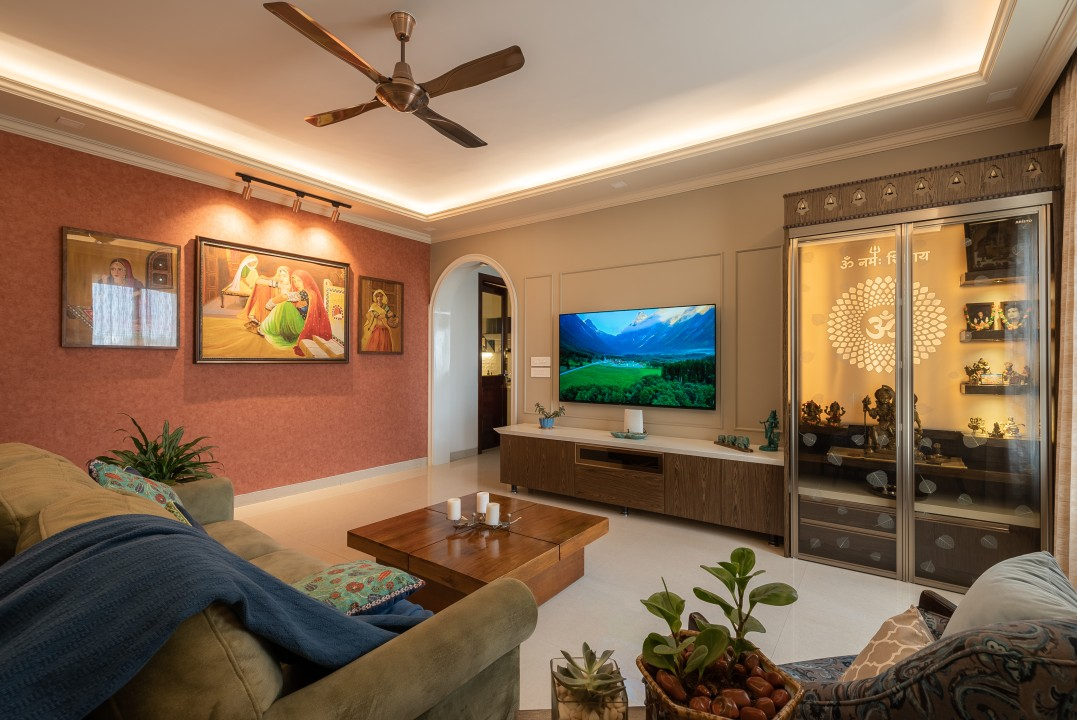
A house becomes a home not just through furniture or layout, but through the emotions it evokes. One of the most powerful yet often underestimated tools in shaping those emotions is color. From calming blues to energizing yellows, colors influence how we feel, think, and interact within a space. Just as people check cricket updates daily to stay connected with excitement and rhythm, the colors in a home quietly create a similar emotional rhythm in everyday life.
The Emotional Language of Colors
Colors communicate directly with the human mind. Psychologists have long studied how different Shades affect mood and behavior. Warm tones like red, orange, and yellow tend to stimulate energy and conversation. Cool tones like blue, green, and lavender promote calmness and relaxation.
For example, a living room painted in soft earthy tones can make guests feel welcomed and comfortable, while a bedroom in muted blues can encourage better sleep. This emotional connection is what transforms a physical structure into a space filled with belonging.
Interestingly, just like urdu shayari in hindi expresses deep emotions through carefully chosen words, color choices in a home express feelings without saying anything at all. The right shade can evoke nostalgia, peace, or even motivation.
Warm Colors and a Sense of Comfort
Warm colors are often associated with warmth, intimacy, and togetherness. Shades like terracotta, soft peach, and golden yellow create a cozy atmosphere that encourages bonding and conversation.
These tones are particularly effective in communal spaces such as dining rooms and living areas. They make spaces feel more inviting and can even stimulate appetite and social interaction. This is why many homes use warm hues in areas where families gather the most.
However, balance is important. Overusing strong warm colors can feel overwhelming. The key lies in using them as accents or pairing them with neutral tones to maintain harmony.
Cool Colors and Calm Living
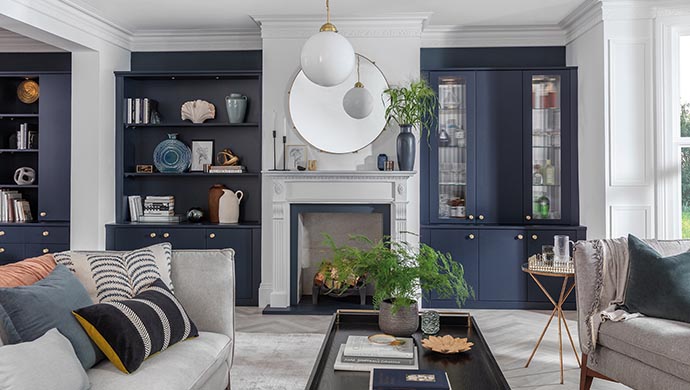
Cool colors bring a sense of serenity and clarity. Blues and greens are often associated with nature, water, and open skies, which naturally relax the mind.
Bedrooms, bathrooms, and study areas benefit greatly from these shades. They help reduce stress and improve focus, making them ideal for spaces meant for rest and productivity.
In modern homes, many people combine cool tones with minimalist design to create peaceful environments that contrast with the fast-paced outside world. Much like checking aepds bihar rc details provides clarity and structure in administrative tasks, cool colors bring mental clarity within living spaces.
Neutral Colors and Timeless Appeal
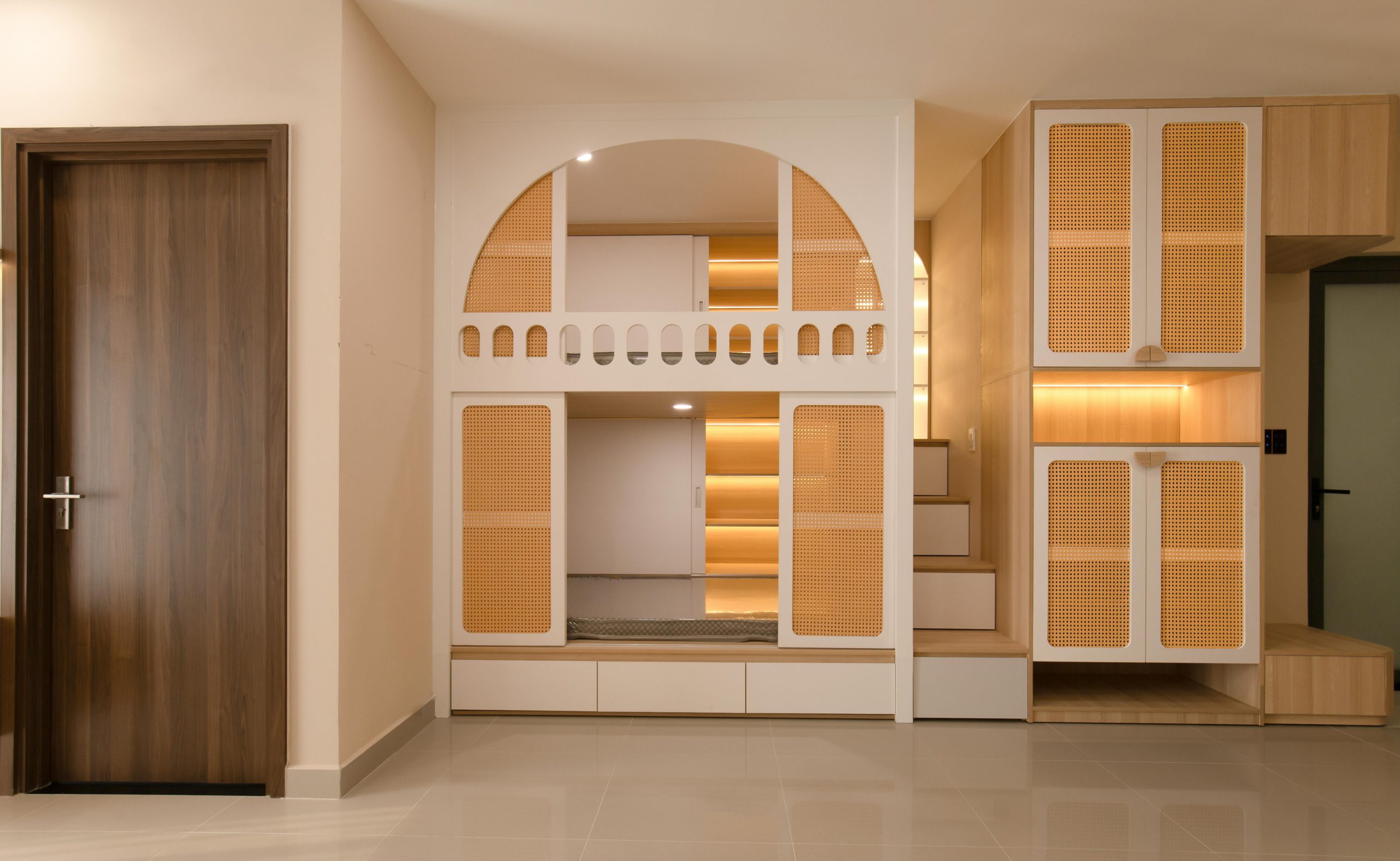
Neutral colors such as white, beige, gray, and soft browns form the foundation of many homes. They provide flexibility and allow homeowners to experiment with décor, textures, and accents without overwhelming the senses.
These shades also make spaces appear larger and more open. They act as a blank canvas, allowing personal elements like artwork, furniture, and lighting to stand out.
Neutral tones are especially popular in modern interior design because they create a balanced environment that can adapt over time. This adaptability ensures that a home continues to feel relevant and comfortable despite changing trends.
Accent Colors and Personality
While base colors set the tone, accent colors add personality. These are the pops of color seen in cushions, artwork, rugs, or feature walls. Accent colors reflect individual tastes and make a home feel uniquely personal.
For example, a bold teal cushion or a vibrant red painting can instantly energize a neutral room. These small touches create visual interest and prevent spaces from feeling monotonous.
In a way, accent colors are like basketball puns in a conversation. They add humor, charm, and individuality without dominating the overall message. They make the environment more engaging and memorable.
Cultural and Personal Influences
Color perception is not universal. Cultural background, personal experiences, and even memories play a role in how colors are interpreted.
In some cultures, white represents purity and peace, while in others it may symbolize mourning. Similarly, a color that reminds one person of a joyful childhood memory may evoke a completely different feeling in someone else.
This is why designing a home requires a personal approach. The best color choices are those that resonate with the people living in the space rather than blindly following trends.
Even something as unrelated as dear nagaland lottery can evoke specific emotions or associations for individuals, showing how deeply personal connections influence perception.
Lighting and Color Interaction
Lighting plays a crucial role in how colors appear. Natural light enhances brightness and reveals the true tone of colors, while artificial lighting can alter their appearance significantly.
A soft beige wall might look warm and inviting in daylight but appear dull under harsh artificial lighting. Understanding this interaction helps in choosing colors that maintain their intended effect throughout the day.
Designers often test paint samples under different lighting conditions before finalizing a color scheme to ensure consistency and comfort.
Creating Emotional Harmony
The ultimate goal of using color in a home is to create harmony. This means ensuring that all elements work together to support the desired mood and function of each space.
A well-balanced home might feature calming tones in private areas, warm tones in social spaces, and neutral tones as a unifying base. This thoughtful arrangement ensures that every room serves its purpose while contributing to the overall emotional experience.
When colors are chosen with intention, they create an environment where people feel safe, relaxed, and inspired. That is when a house truly begins to feel like home.
Conclusion
Colors are far more than decorative choices. They are psychological tools that shape how we experience our surroundings. From the warmth of inviting tones to the calm of cool shades and the versatility of neutrals, every color plays a role in defining a home’s atmosphere.
By understanding the psychology behind colors and using them thoughtfully, anyone can transform their living space into a place that reflects comfort, personality, and emotional well-being. A home is not just built with walls and furniture, but with feelings, and color is one of the most powerful ways to bring those feelings to life.

Thomas brings years of hands-on experience in real estate investing and property management to his writing at Five Star Home Ventures. His content focuses on actionable strategies and clear guidance to help investors and landlords maximize returns and streamline their property portfolios.